Ohio spent $1.173 billion on private school vouchers in fiscal year 2026, the second straight year it topped that threshold, according to data reported by the Ohio Capital Journal.
The numbers land days after an appellate court ruled the EdChoice voucher program unconstitutional. The program remains active while the case heads to the Ohio Supreme Court.
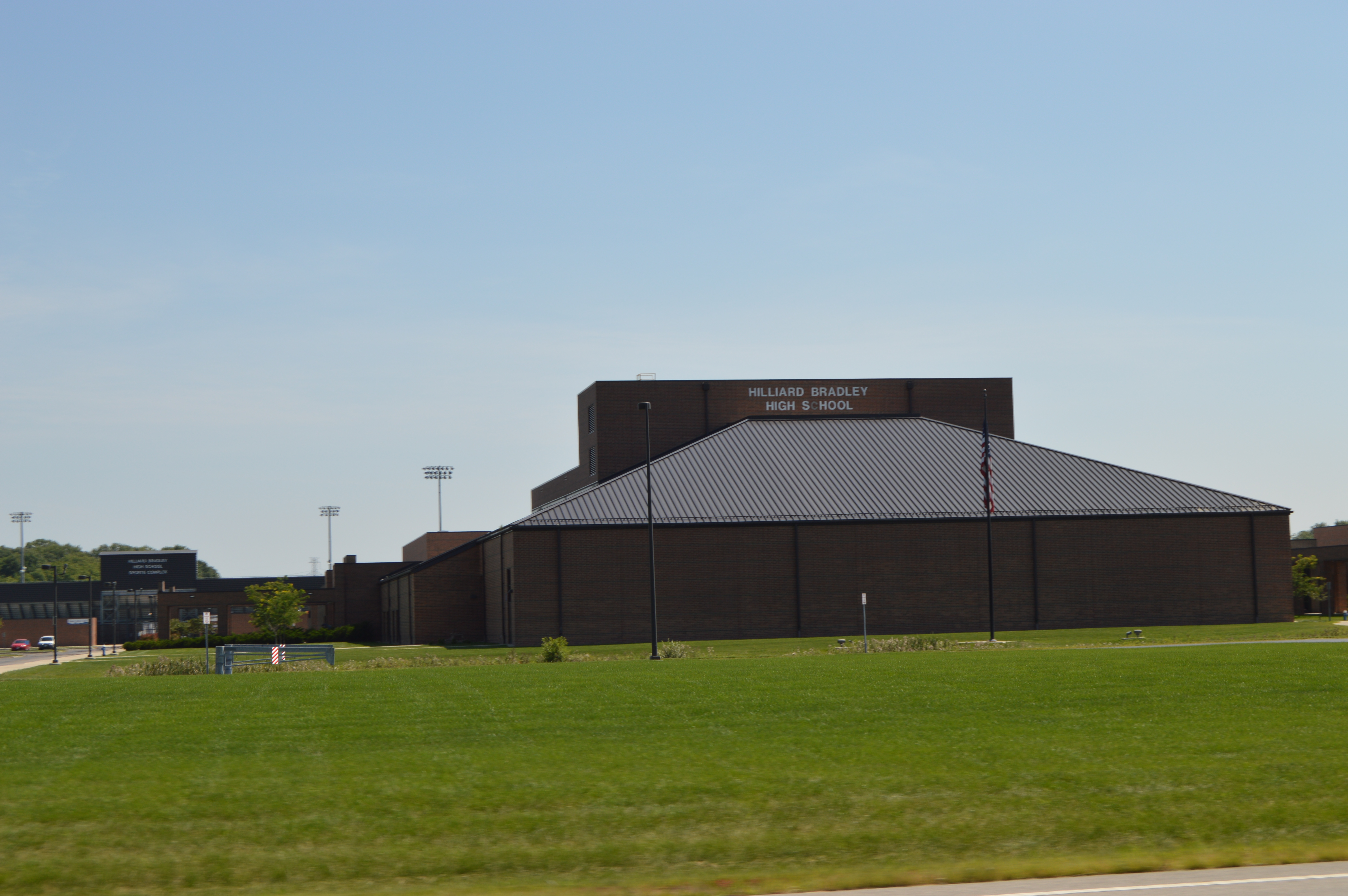
A community petition urging Hilliard City Schools to join the Vouchers Hurt Ohio lawsuit states that 16% of taxpayer education funding for students in the district went to private school vouchers in the 2023-24 school year. About 6% of students living in the district area received those vouchers, according to the petition.
Where the money went
Nearly half the $1.173 billion went to EdChoice Expansion scholarships. Ohio Department of Education and Workforce (ODEW) data shows more than 105,000 Expansion scholarships were awarded, averaging $5,114 per student. Another 42,000-plus traditional EdChoice scholarships totaled $284.6 million, averaging $6,807 each, the Ohio Capital Journal reported.
K-8 students can receive $6,166 and high schoolers $8,408 under the EdChoice vouchers. The 2023 expansion made scholarships broadly available regardless of income, with maximum awards for families earning up to 450% of the federal poverty level and reduced awards above that level.
Total voucher spending has increased about 164% since FY2021, when it was $444.5 million. The FY2026 figure landed just under the $1.18 billion the nonpartisan Ohio Legislative Service Commission had projected.
Court ruling and what comes next
On Oct. 15, a three-judge panel of the Tenth District Court of Appeals unanimously ruled EdChoice unconstitutional. Judge David Leland wrote that the program funds "a competing system of uncommon schools" not subject to the same obligations as public schools, according to Education Week.
The court found EdChoice harms public schools by letting private schools cherry-pick students, concentrating participating schools in urban areas and giving voters less reason to approve local levies, Education Week reported. The ruling affirmed a lower court's June 2025 decision. The court stayed its own order, so vouchers continue flowing during the appeal.
Ohio Attorney General Andy Wilson said in an Oct. 15 statement that he would appeal. Wilson said families should not worry because the ruling has no immediate impact. He called the program a matter of parental choice and said it does not hurt public schools, according to a statement on the attorney general's website.
Melissa Cropper, president of the Ohio Federation of Teachers, disagreed. "It's frustrating to see this amount of money going to vouchers when our public schools still are not fully and fairly funded," Cropper told the Ohio Capital Journal.
Hilliard's funding picture
The Hilliard Education Association sent a letter to the school board calling vouchers "an existential threat" to public education and urging the district to publicly oppose the program, according to a statement on the HEA website.
The district is already navigating tight finances. Hilliard City Schools Treasurer Melissa Swearingen and Superintendent David Stewart have warned that a separate bill, HB 335, could cost the district roughly $20.8 million, according to a district analysis. In an earlier funding statement, the district projected to end FY2024 with a 38.6% cash balance projected to drop to 23.5% within five years, according to a separate district funding page.
Statewide, public school enrollment fell to 1,629,346 in the 2025-26 school year, down from 1,672,198 in 2021-22. Nonpublic enrollment rose to 185,584 from 167,395 over the same period, ODEW data shows.
The Ohio Supreme Court has not yet scheduled oral arguments in the EdChoice case.