Hilliard City Schools' $3.15 million in Title I funding faces weaker federal oversight after the U.S. Department of Education suspended its main K-12 monitoring system.
The U.S. Government Accountability Office (GAO) said in a report released Sept. 23 that the suspension leaves more than $18 billion in Title I dollars nationwide at heightened risk of undetected waste, fraud and abuse. Title I grants support schools with high concentrations of students from low-income families.
Stateline first reported the findings Sept. 25. The Ohio Capital Journal republished the story.
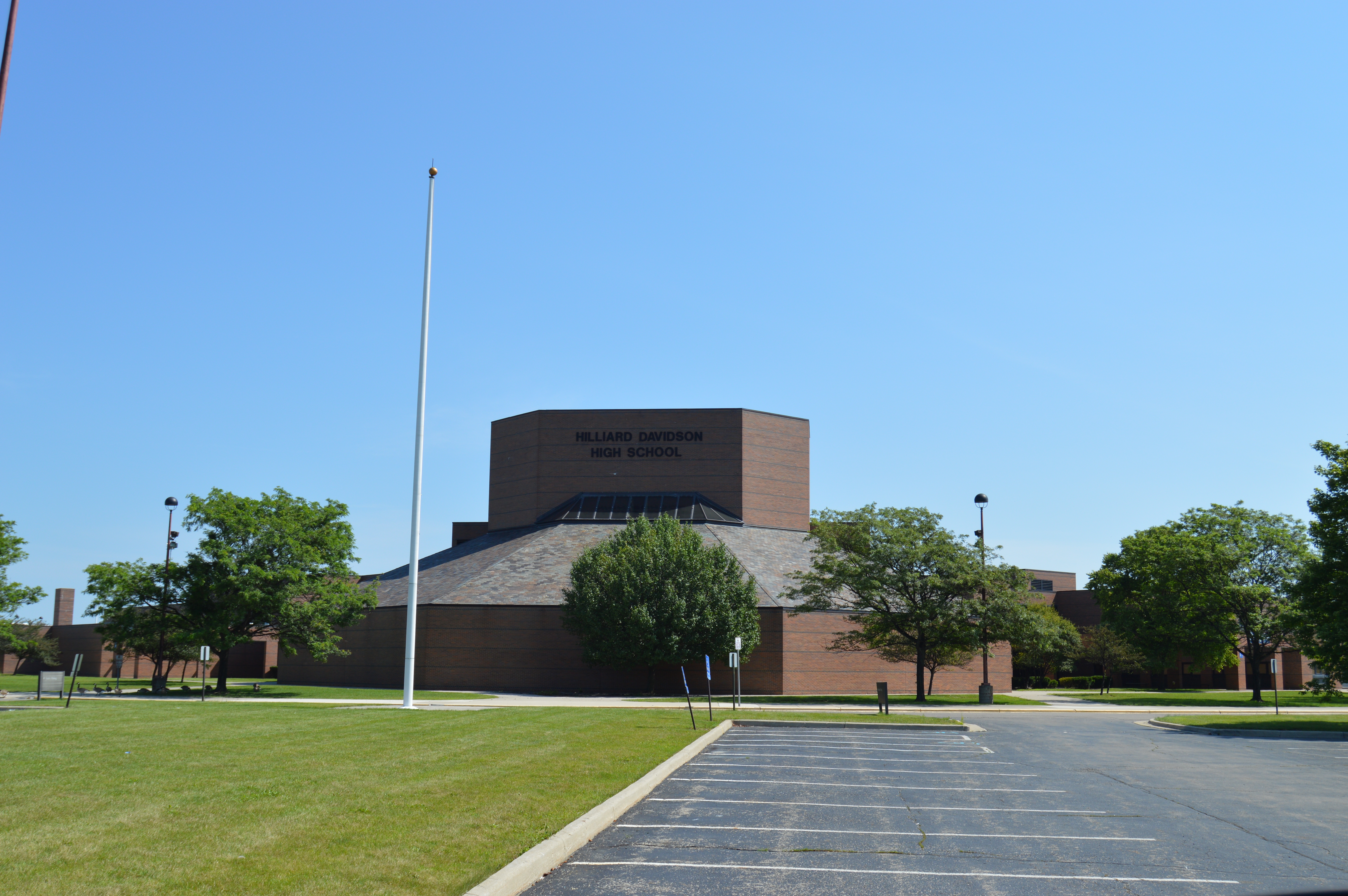
Hilliard's fiscal year 2026 budget lists Title I as one of the district's three largest federal funding sources, alongside special education (IDEA-Part B) and free and reduced-price lunch reimbursement. The district's January 2026 treasurer's report shows a Title I appropriation of $3,150,417 for the fiscal year, with $1,605,271 already spent through Jan. 31.
The stakes are growing. Hilliard's FY26 budget projects a roughly 13.6% drop in federal revenue, driven by the end of pandemic-era ESSER funds and cuts to other grant programs.
32 states never reviewed
The GAO found that 32 of 51 states, including D.C., 32 states are unreviewed since 2019. The department suspended the reviews in 2026 while developing a new approach but, as of August, had not provided a timeline for resuming them.
Nat Malkus, a senior fellow at the American Enterprise Institute who tracks chronic absenteeism, told The 74 on Sept. 25 that at the pre-suspension pace, "states might expect a review once every 15 years."
Kirsten Baesler, assistant secretary of the Office of Elementary and Secondary Education, said in a written response that the department plans to announce a new monitoring system this fall. She rejected two of the GAO's three recommendations.
Absenteeism data problems
The report also flagged serious flaws in federal chronic absenteeism data. The Education Department counts absent students over a full school year but measures enrollment on a single date. That mismatch has produced rates above 100% at some schools.
More than 30% of shared-time schools, where students split their day between campuses for career and technical education, had implausible rates. Under 2% of other schools showed the same problem.
Ohio has set a goal to reduce its chronic absenteeism rate to 5% by school year 2030-2031, according to the GAO report.
No public statement from Hilliard Superintendent David Stewart, Treasurer Melissa Swearingen, or any of the five board members — President Kara Crowley, Vice President Kelley Arnold, Beth Murdoch, Brian Perry, Zach Vorst, Sarah Byler, and Tony Moog — addressing the monitoring suspension was available as of publication.
The GAO recommended that Congress clarify monitoring requirements in the Elementary and Secondary Education Act (ESEA) and that the department resume comprehensive reviews and fix its absenteeism data. The department agreed with one recommendation and rejected two. No date has been set for the new monitoring system beyond "this fall."