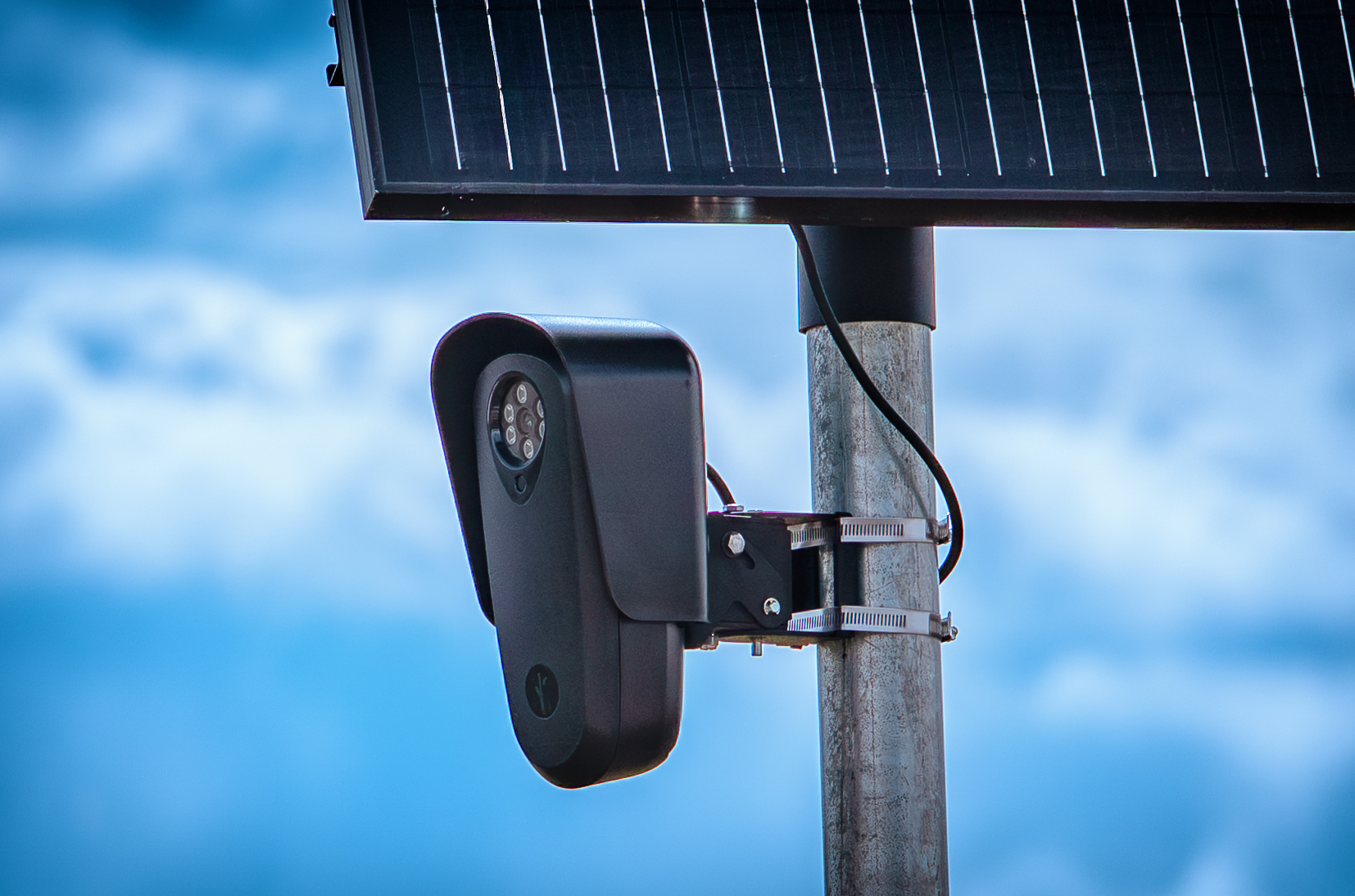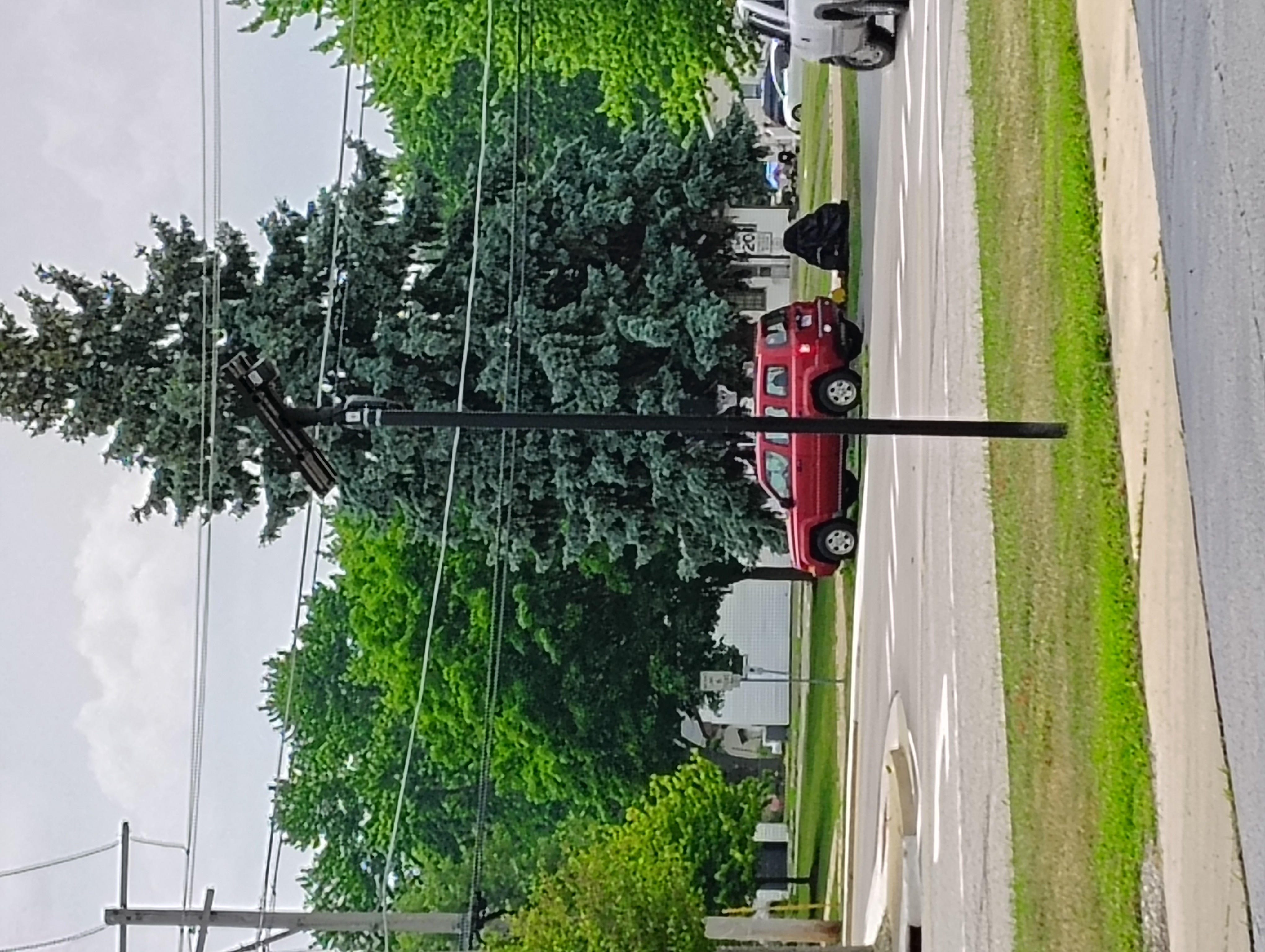
Columbus City Council's nearly six-hour public hearing on Flock license plate reader cameras on Aug. 10, produced emotional testimony from crime victims, civil liberties advocates and activists who packed council chambers, but no immediate policy changes for the region's most scrutinized surveillance technology.
The hearing matters in Hilliard, where the police division operates its own Flock network and has faced camera vandalism, unanswered questions about internal audits and a data-sharing controversy that prompted the department to limit access to bordering states and two federal agencies.
Columbus Councilmember Emmanuel Remy, who chairs the public safety committee, opened the session by saying he believes the technology has value but that government must ensure it is "used responsibly, transparently and in a way that protects rights and civil liberties," according to the Columbus Dispatch.
Most residents who testified called for the cameras to come down. A coalition called the Safety Not Surveillance Coalition, which includes the People's Justice Project, 614 ICE Watch, Common Cause Ohio and the Columbus Democratic Socialists of America, protested outside City Hall before filling the chambers.
Ohio State University professor Viet Trinh, who is writing a book on mass surveillance, told council: "Under Flock, we are all, everybody in this room, every day, every time you get into your cars, we are all under investigation at all times for all crimes."
The ACLU of Ohio's chief lobbyist, Gary Daniels, called for an outright ban on automated license plate readers, calling them unconstitutional warrantless searches. His remarks drew cheers.
Columbus police Chief Elaine Bryant pushed back, telling council that approximately 54% of Columbus homicides have been solved using Flock cameras, according to NBC4. Columbus Police Deputy Chief Justin Coleman read a statement from Tim Tepe, whose son Spencer and daughter-in-law were murdered in their Columbus home, saying he "come[s] down strongly in favor of maintaining the Flock camera system" when weighing public safety against privacy concerns.
Flock Safety's director of government relations, Vaughn Roland, presented changes the company has made, including filters that let agencies opt out of immigration and abortion-related searches and audit tools to flag unusual search patterns. Roland faced repeated heckling.
Two Columbus councilmembers signaled skepticism. Lourdes Barroso de Padilla questioned whether the system is "worth it," and Melissa Green said at the hearing's close that continuing with Flock is "irresponsible" and that she still has too many questions.
The hearing followed Columbus's own July audit, which found more than 15,000 possibly immigration enforcement-related searches of city Flock data. Columbus pulled out of the national Flock sharing network in June and Mayor Andrew Ginther subsequently restricted data sharing with other departments statewide.
What it means for Hilliard
Hilliard fully implemented its Flock camera network in 2023 and reported an 18% reduction in property crime in 2025. Under HPD Policy 426, approved by Chief Michael Woods, all captured images are deleted after 30 days and every query is logged by name, date and time, with quarterly audits by the Investigations Bureau Commander.
But as we reported Aug. 5, the division has not disclosed how many cameras it operates, whether it has conducted an internal audit of searches or whether any immigration-related queries have been identified in its system. Five Hilliard cameras have been vandalized since June.
Hilliard City Council has not scheduled its own public hearing on Flock cameras. The next regular council meeting is 6 p.m. Monday, Aug. 24, at the Hilliard Municipal Building, 3800 Municipal Way.